
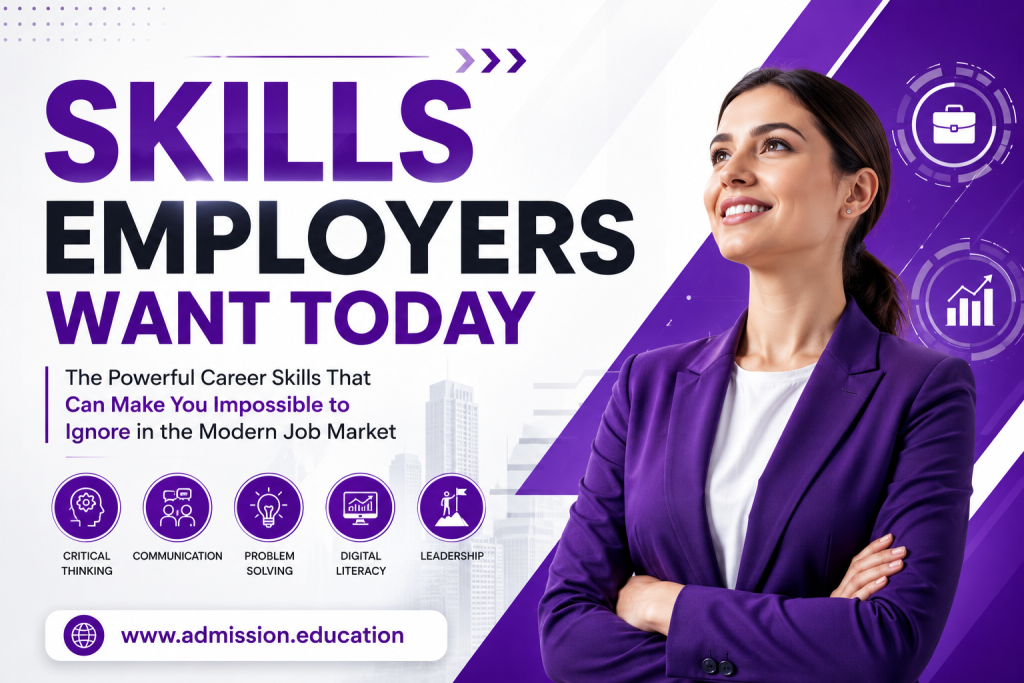
The world of work is no longer the same. Companies are not only searching for people who can complete tasks; they are looking for individuals who can think, adapt, solve problems, communicate effectively, and create meaningful results. In today’s competitive job market, having a qualification may open a door, but having the right skills is what helps you walk through it and build a successful future.
Many professionals focus only on degrees, job titles, and years of experience, but employers today are looking deeper. They want people who can handle uncertainty, learn quickly, work with technology, collaborate with different teams, and bring innovative ideas to the organization.
The biggest career mistake many people make is assuming that yesterday’s skills will guarantee tomorrow’s success. The reality is simple: the future belongs to those who continuously upgrade themselves.
The New Definition Of A Valuable Employee
A valuable employee is no longer measured only by technical knowledge. Businesses need individuals who can combine expertise with human abilities. The most successful professionals are those who can balance digital skills with emotional intelligence, creativity, and strong decision-making.
Employers today are asking important questions:
Can this person solve real problems?
Can they learn new things quickly?
Can they communicate ideas clearly?
Can they work effectively with others?
Can they create value beyond their job description?
The answers to these questions often determine who gets hired, promoted, and trusted with greater responsibilities.
Communication Skills: The Skill That Opens Every Opportunity
Strong communication remains one of the most important skills employers want today. No matter your industry, your ability to express ideas, listen actively, write clearly, and build professional relationships directly impacts your success.
A person with excellent communication skills can influence decisions, handle conflicts, connect with customers, and lead teams more effectively.
Many talented professionals lose opportunities not because they lack knowledge, but because they cannot communicate their value. Being able to explain your ideas with confidence can turn your skills into opportunities.
Adaptability: The Ability To Survive And Grow In A Changing World
Change is happening faster than ever. New technologies, changing customer expectations, and evolving industries are transforming the way companies operate.
Employers value people who can adjust quickly instead of resisting change. Adaptability shows that you are willing to learn, improve, and handle challenges without losing focus.
The most successful professionals are not always those who know everything. They are the ones who can learn anything.
A growth mindset has become one of the strongest advantages in modern careers.
Digital And Technology Skills: Understanding The Tools Of The Future
Technology is influencing almost every profession. You do not need to become a technology expert to stay competitive, but you must understand how digital tools can improve your work.
Employers increasingly value skills such as:
Artificial intelligence awareness
Data understanding
Digital communication
Automation knowledge
Online collaboration skills
Cybersecurity awareness
Professionals who understand technology can work smarter, make better decisions, and contribute more effectively to business growth.
The future workplace will belong to people who know how to work alongside technology, not those who ignore it.
Problem-Solving Skills: Companies Hire People Who Create Solutions
Every business faces challenges. Employers do not want employees who only identify problems; they want people who can find solutions.
Strong problem-solving skills demonstrate critical thinking, creativity, and responsibility.
A person who can analyze situations, identify opportunities, and develop practical solutions becomes extremely valuable to any organization.
Companies grow because of problem-solvers. They struggle because of people who only wait for instructions.
Emotional Intelligence: The Human Skill Technology Cannot Replace
While technology continues to advance, human connection remains essential.
Emotional intelligence helps professionals understand emotions, manage pressure, communicate with empathy, and build stronger relationships.
Employers value people who can:
Work respectfully with different personalities
Handle workplace challenges professionally
Support team collaboration
Manage stress effectively
Create positive work environments
Technical skills may help you get noticed, but emotional intelligence often determines how far you can go.
Leadership Skills: Leadership Is Not Only For Managers
Many people believe leadership is only required for executives or team leaders. In reality, employers look for leadership qualities at every level.
Leadership means taking responsibility, showing initiative, supporting others, and making decisions with confidence.
A person who takes ownership of their work naturally becomes someone organizations can trust.
Future leaders are not created by job titles. They are created by mindset, discipline, and action.
Creativity And Innovation: The Skills That Drive Business Growth
In a world where many tasks are becoming automated, creativity has become more valuable than ever.
Employers need people who can think differently, develop new ideas, improve processes, and discover better ways of solving problems.
Creativity is not limited to artists or designers. It is a business skill that helps companies compete, grow, and stay relevant.
The ability to see possibilities where others see limitations can become your greatest professional advantage.
Continuous Learning: The Skill That Protects Your Future
The most successful professionals understand one important truth: learning does not stop after education.
Industries evolve. Technologies change. Customer needs shift. The skills that are valuable today may become outdated tomorrow.
Continuous learning helps you stay prepared for new opportunities and challenges.
Reading, taking courses, attending workshops, learning new tools, and seeking feedback are powerful ways to build a stronger career foundation.
Your future career depends on what you are willing to learn today.
Why Employers Choose Skill-Focused Professionals Over Average Candidates
Thousands of candidates may have similar qualifications, but skills create differentiation.
Employers are searching for people who bring confidence, creativity, responsibility, and measurable value.
The question is no longer only:
“What degree do you have?”
The bigger question is:
“What can you create, improve, and contribute?”
Professionals who understand this shift will always have a stronger position in the job market.
The Future Belongs To Those Who Invest In Themselves
Success in the modern workplace is not about waiting for opportunities. It is about becoming the type of person opportunities search for.
The skills employers want today are not impossible to develop. They require commitment, curiosity, practice, and a willingness to improve every day.
Your career growth is not determined only by where you start. It is influenced by how seriously you prepare for where the world is going.
The question you should ask yourself today is not “Am I qualified enough?”
The better question is:
“Am I developing the skills that the future will demand?”
Because the professionals who continue learning, adapting, and improving will not just survive workplace changes. They will lead them.
Final Thoughts
The modern job market rewards people who combine knowledge with action. Technical expertise, communication ability, adaptability, digital awareness, leadership, creativity, and emotional intelligence have become essential skills employers want today.
Building these skills is not only about getting a job. It is about creating a career that remains valuable in an unpredictable future.
The future of work will belong to those who are ready before the opportunity arrives.